


Water Dispenser: Clean, Convenient Water for Everyday Life
A water dispenser is one of the simplest appliances that can make a meaningful difference in daily life. Whether placed in a home, office, school, clinic, or public space, it provides quick access to drinking water without the need to boil water repeatedly or store multiple bottles in the refrigerator. Modern water dispensers are designed for convenience, offering cold, hot, and room-temperature water at the touch of a button.
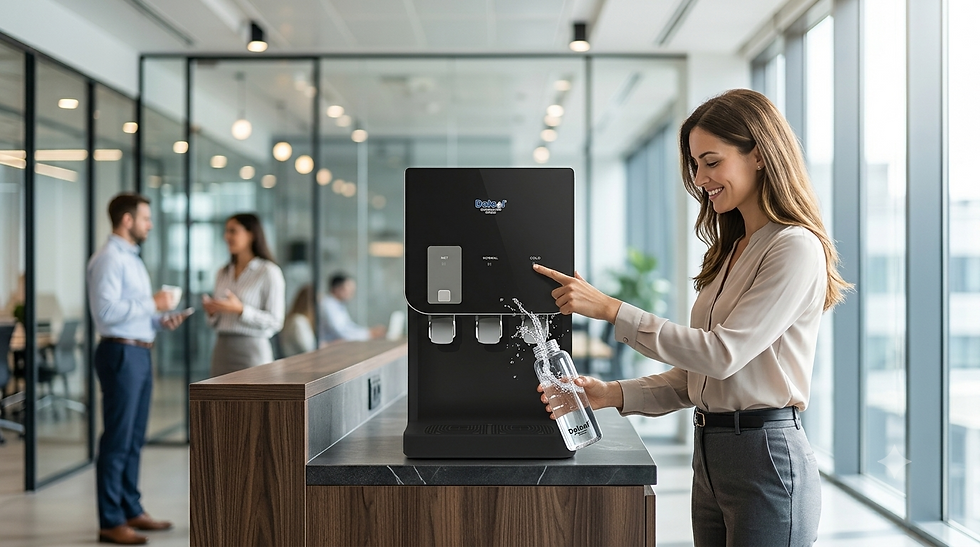
One of the main advantages of a water dispenser is convenience. In a busy household, family members can quickly prepare a cold drink, make tea or coffee, fill a water bottle, or mix instant food without waiting for water to heat or cool. In workplaces, having a dispenser encourages employees to drink more water throughout the day. This can support better focus, comfort, and general well-being, especially in warm climates where staying hydrated is important.
Water dispensers also come in many different designs to suit different needs. Bottled water dispensers use large refillable water containers and are common in offices and shared spaces. Bottom-loading models make changing the bottle easier because users do not need to lift a heavy container onto the top of the machine. There are also countertop dispensers for smaller kitchens and spaces with limited floor area. Another popular option is the direct-piping dispenser, which connects to a water supply and filters the water before dispensing it. This option can reduce the need to purchase, transport, and replace large water bottles.
Many modern water dispensers include built-in filtration systems. Depending on the model, these filters can help reduce sediment, chlorine taste, unpleasant odours, and certain impurities from tap water. Some advanced units use technologies such as activated carbon filters, ultraviolet treatment, or reverse osmosis systems. However, the best choice depends on the local water quality and the needs of the user. It is important to remember that filters must be replaced regularly to work properly. A high-quality dispenser is only effective when it is maintained well.
Safety is another key feature. Hot-water dispensers are especially useful for preparing warm drinks, but they should include a child-safety lock to prevent accidental burns. Families with young children should always choose a model with this feature and teach children how to use the appliance safely. The dispenser should also be placed on a stable, level surface away from direct sunlight, heat sources, and areas where water spills could cause slipping.
Regular cleaning is essential for keeping a water dispenser hygienic. The water taps, drip tray, bottle area, and internal tank can collect dust, moisture, and bacteria over time if they are neglected. Users should wipe the exterior and taps frequently, empty and clean the drip tray, and follow the manufacturer’s recommendations for sanitising the unit. For bottled dispensers, it is also important to use a reliable water supplier and ensure that replacement bottles are stored in a clean location.
From an environmental point of view, a water dispenser can be a practical alternative to buying many single-use plastic bottles. A refillable bottle system or a direct-piping filtered dispenser can reduce plastic waste while still giving people easy access to clean drinking water. Users can carry reusable bottles and refill them throughout the day, which is both more economical and more environmentally responsible.
In conclusion, a water dispenser is a useful appliance that combines comfort, accessibility, and hygiene. It can make hydration easier for individuals, families, and workplaces while supporting a more sustainable way to consume drinking water. By choosing the right type of dispenser, maintaining it properly, and using reusable bottles, people can enjoy clean and refreshing water whenever they need it.


Comments