%20(1).png)


Water Distiller vs Water Filter: Which Is Better?
Water Distiller vs Water Filter: Which One Should You Choose?
When it comes to drinking clean and safe water, many Malaysians often ask the same question: Should I choose a water distiller or a water filter?
Both systems improve water quality, but they work in completely different ways and are designed for different purposes. Understanding their differences will help you choose the best solution for your home, office, laboratory, or business.
In this guide, we'll compare water distillers vs water filters, explaining how each works, their advantages, disadvantages, and which one is best for your needs.

What Is a Water Distiller?
A water distiller purifies water through the process of boiling and condensation.
Here's how it works:
Water is heated until it becomes steam.
Most contaminants remain inside the boiling chamber.
The steam cools and condenses back into liquid.
The collected water becomes distilled water.
This process removes:
Heavy metals
Bacteria
Viruses
Minerals
Salts
Chemicals
Most dissolved solids
The result is extremely pure water, often reaching over 99% purity.

What Is a Water Filter?
A water filter removes contaminants using filtration media such as:
Activated carbon
Sediment filters
Ceramic filters
Ultrafiltration (UF)
Reverse Osmosis (RO)
Mineral filters
Unlike distillation, filtration does not boil water. Instead, it traps impurities while allowing clean water to pass through.
Depending on the filtration system, water filters can remove:
Dirt and sediment
Rust
Chlorine
Bad taste and odour
Certain bacteria
Microplastics
Heavy metals (selected models)
Chemicals
Water Distiller vs Water Filter Comparison
Feature | Water Distiller | Water Filter |
Purification Method | Boiling & Condensation | Physical & Chemical Filtration |
Removes Bacteria | ✅ Excellent | ✅ Good (depends on filter) |
Removes Viruses | ✅ Yes | Depends on technology |
Removes Heavy Metals | ✅ Excellent | Good (RO systems perform best) |
Removes Minerals | ✅ Yes | Usually retains beneficial minerals (except RO) |
Taste | Flat or neutral | Fresh, natural taste |
Water Production | Slow | Fast |
Electricity Required | Yes | Usually No (except electric dispensers) |
Maintenance | Periodic cleaning | Replace filters regularly |
Daily Drinking | Suitable | Highly suitable |
Advantages of a Water Distiller
1. Produces Extremely Pure Water
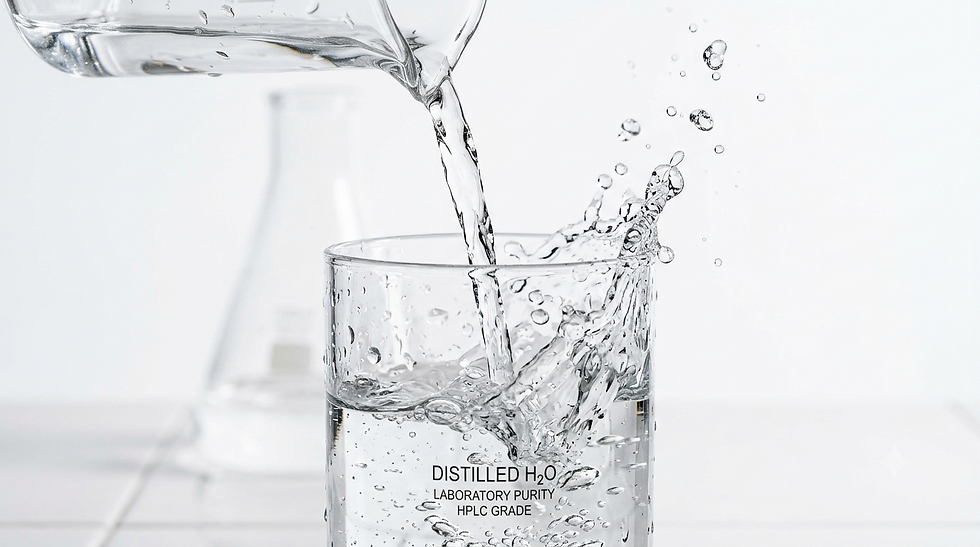
Distillation removes nearly all contaminants, making it ideal for applications requiring very high water purity.
2. Excellent for Laboratories
Many laboratories, medical facilities, and industrial applications rely on distilled water because minerals and impurities can interfere with equipment and testing.
3. Removes Dissolved Solids
Unlike many standard filters, distillation removes dissolved minerals and salts that remain in ordinary filtered water.
Advantages of a Water Filter
1. Fast Access to Drinking Water
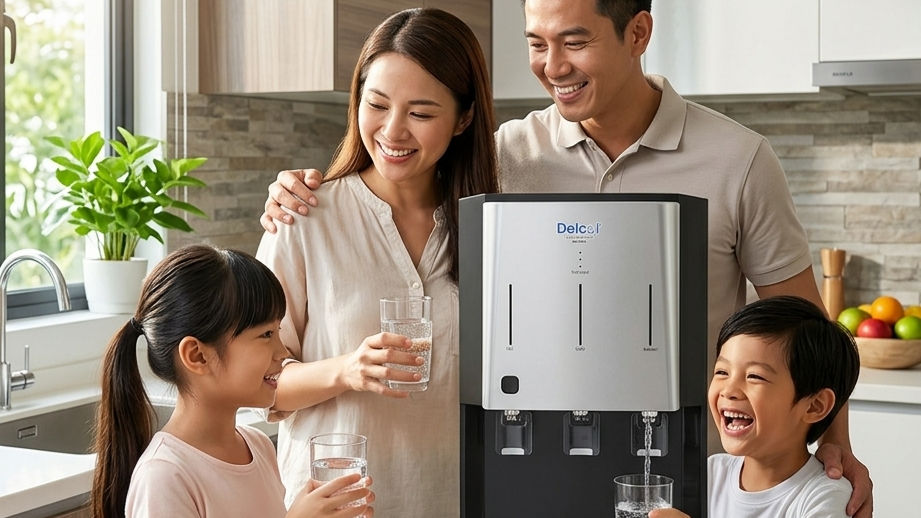
Water filters provide clean water instantly without waiting for boiling and condensation.
2. Better Taste
Activated carbon removes chlorine and unpleasant odours while preserving a refreshing taste.
3. Lower Energy Consumption
Most water filters do not require electricity unless combined with hot and cold dispensing features.
4. Cost-Effective for Daily Use
Replacing filter cartridges is generally more economical than operating a distiller every day for large volumes of water.
Which One Removes More Contaminants?
Both systems perform exceptionally well but excel in different areas.
A water distiller removes nearly everything, including minerals.
A high-quality water filter, especially one using Reverse Osmosis (RO), removes a wide range of contaminants while often producing water that tastes better and is more practical for everyday drinking.
Which Is Better for Malaysian Homes?
For most Malaysian households, a water filter is the better choice because it offers:
Continuous clean water
Faster water flow
Better tasting water
Lower running costs
Convenient daily use
However, if your application requires ultra-pure water, such as:
Medical equipment
Laboratory testing
Steam irons
CPAP machines (follow manufacturer guidance)
Automotive batteries (where appropriate)
then a water distiller may be the better solution.
Can You Use Both?
Yes.
Many businesses and laboratories use:
A water filter as the first stage to remove sediments and chlorine.
A water distiller to produce ultra-pure distilled water.
This combination improves efficiency while extending the lifespan of the distiller.
Final Verdict
When comparing Water Distiller vs Water Filter, there is no single answer for everyone.
Choose a water filter if you want:
Clean drinking water every day
Better tasting water
Convenience
Lower operating costs
Choose a water distiller if you need:
Extremely pure water
Laboratory-grade water
Water for specialised equipment
Minimal dissolved minerals
Ultimately, the best choice depends on your intended use. For most homes and offices, a quality water filtration system provides the ideal balance of safety, convenience, and affordability.
Why Choose Delcol?
With more than 30 years of experience in water treatment solutions, Delcol Industries Sdn. Bhd. offers reliable water filtration systems and water distillers designed for residential, commercial, and industrial applications.
Whether you need clean drinking water for your family or ultra-pure distilled water for specialised use, our team can recommend the right solution based on your requirements.
Contact Delcol Today
Looking for the right water solution?
Our experts are ready to help you choose between a water distiller and a water filter based on your water quality, usage, and budget.
Clean • Crystal • Clear
Primary Keyword: Water Distiller vs Water Filter
Secondary Keywords: Water Distiller Malaysia, Water Filter Malaysia, Distilled Water, Water Purifier, Water Filtration System


Comments